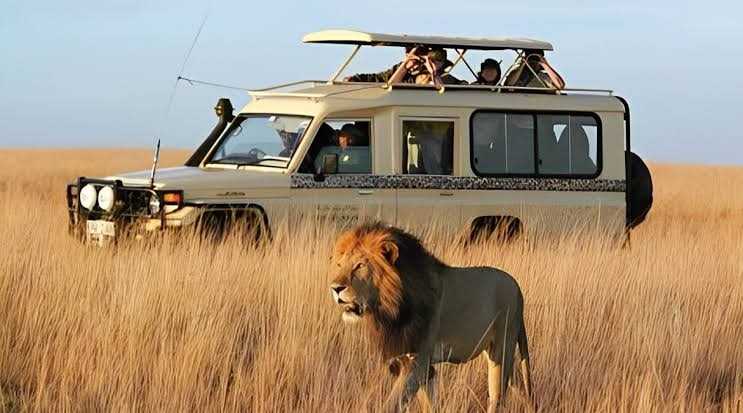
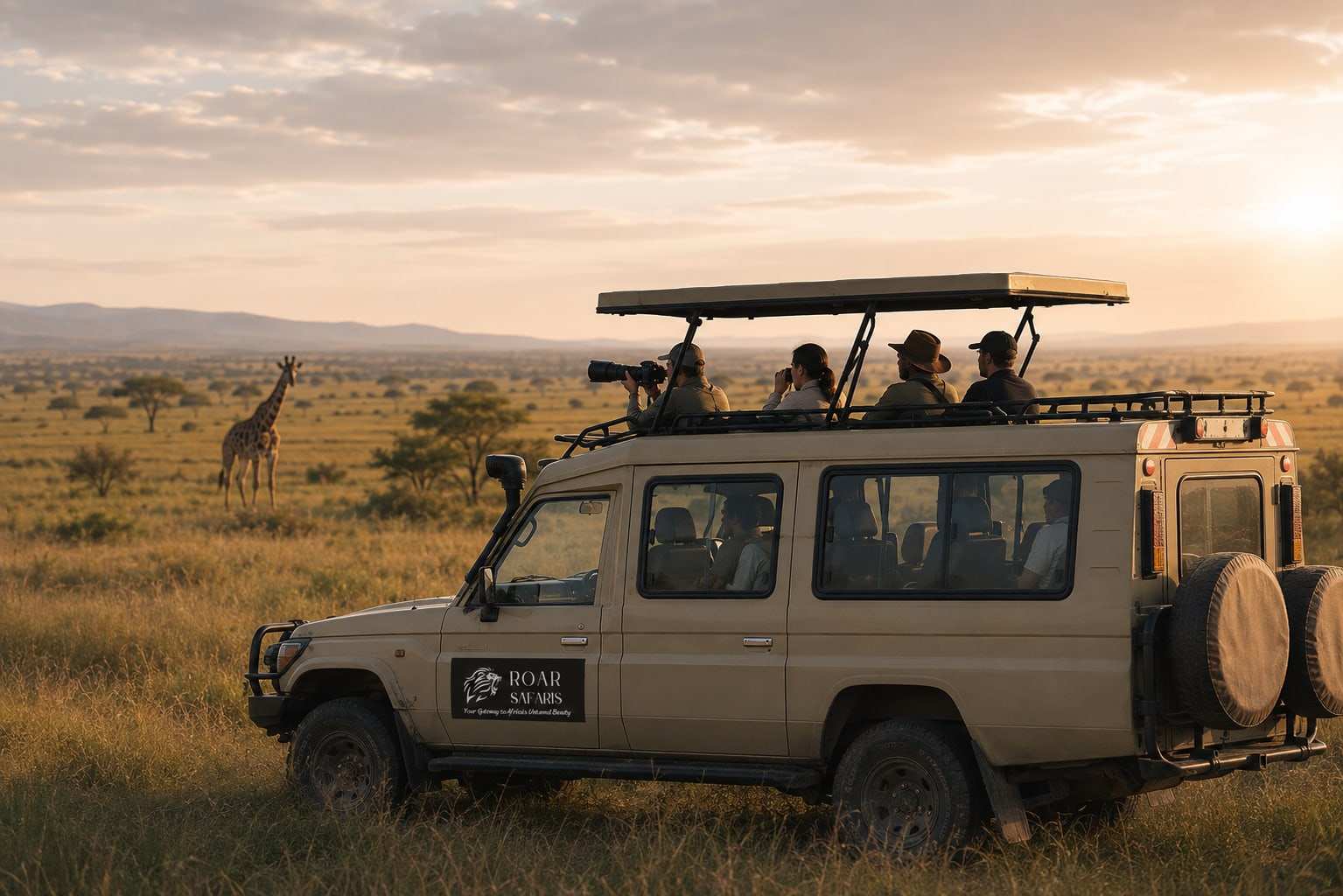
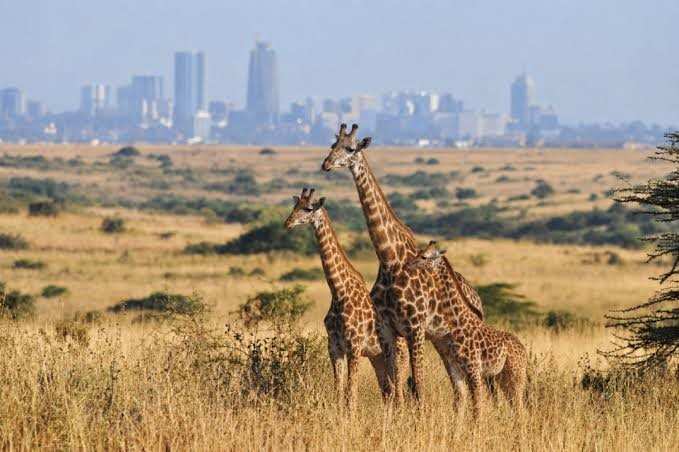
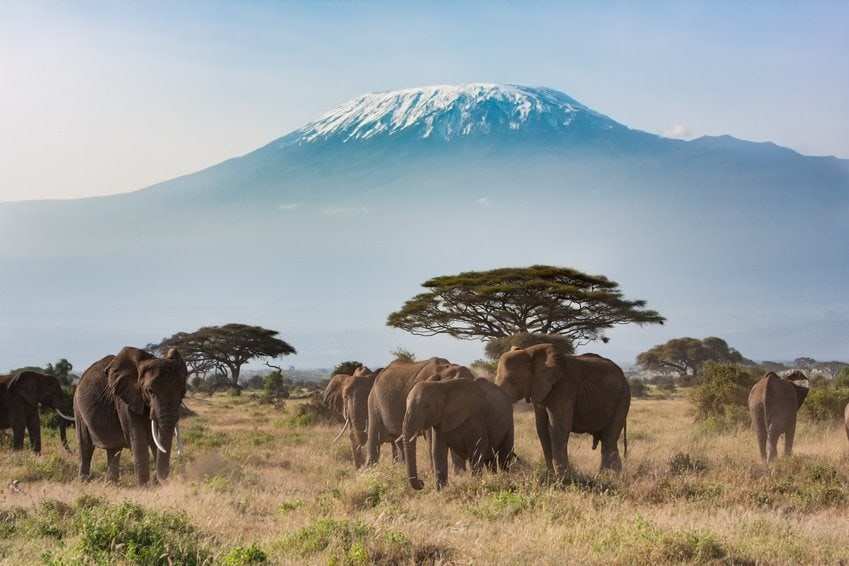
Safari packing is simple once you know the rules: light, layered and neutral. Most lodges do laundry, and small safari planes limit soft bags to around 15 kg, so less really is more.
Clothes
- Neutral colours. Khaki, olive, sand and brown. Bright colours can disturb animals, and dark blue and black attract tsetse flies.
- Layers. Early game drives are cold, especially in the Mara and the highlands, and afternoons are hot. Pack a fleece or light jacket, long-sleeved shirts and a couple of T-shirts.
- Comfortable trousers and one pair of shorts.
- A wide-brimmed hat and closed shoes for walks.
- Swimwear. Many lodges have pools, and you’ll want it for the coast.
- Something smart-casual for dinner if you’re staying somewhere special.
Essentials people forget
- Binoculars. One pair per person if you can. They change the whole experience.
- Power bank and a car charger. Some camps only have power at certain hours.
- Sunscreen, lip balm and sunglasses. The equatorial sun is strong, even when it’s cool.
- Insect repellent for evenings.
- A soft bag, not a hard suitcase, if you’re flying in.
- Cash in small notes for tips and craft markets.
Documents and health
- ID or passport. Kenyan citizens and residents need ID to get resident park rates.
- Yellow fever certificate if you’re crossing into Tanzania.
- Any prescriptions, plus a basic first-aid kit. Ask your doctor about malaria advice for the area you’re visiting.
For the camera
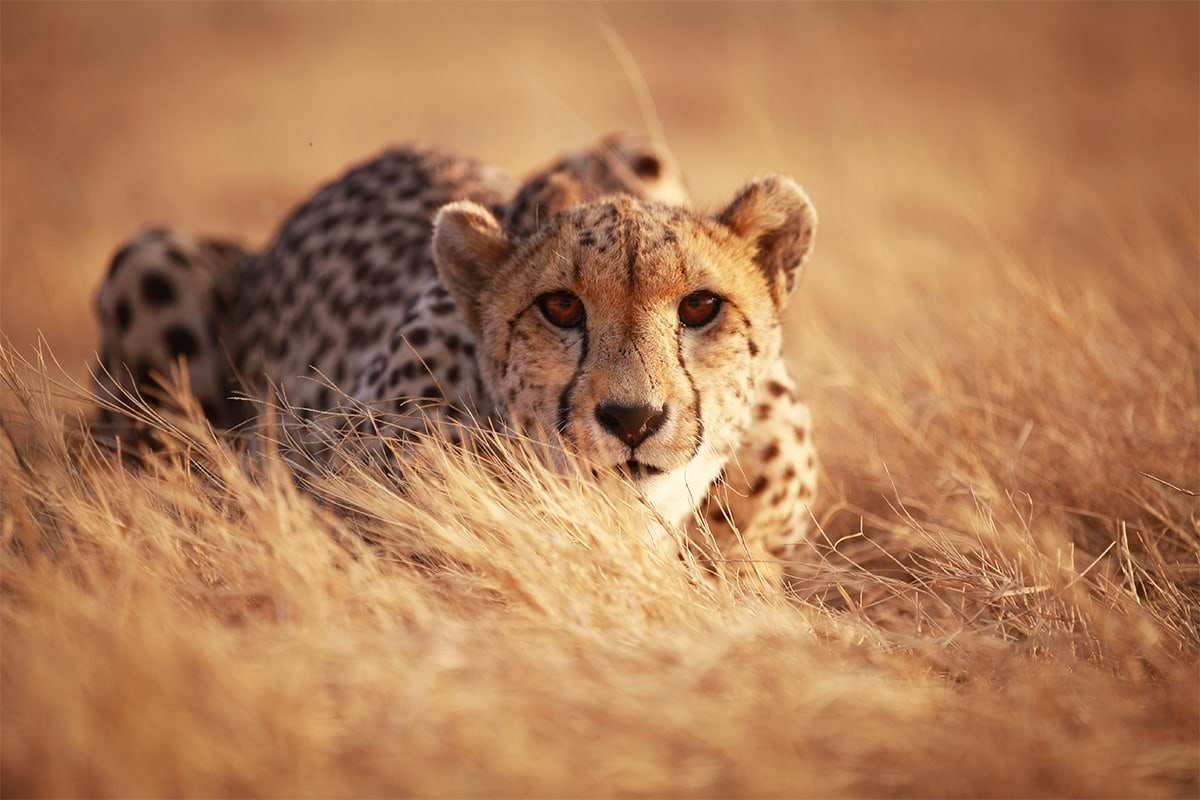
A zoom lens (or a phone with good zoom), spare batteries and plenty of memory. Keep it out and ready: the best sightings last seconds.
Leave at home
Camouflage clothing, drones (they need permits in parks) and anything you’d hate to get dusty.